


HVO and ThermaTech Fuel Options

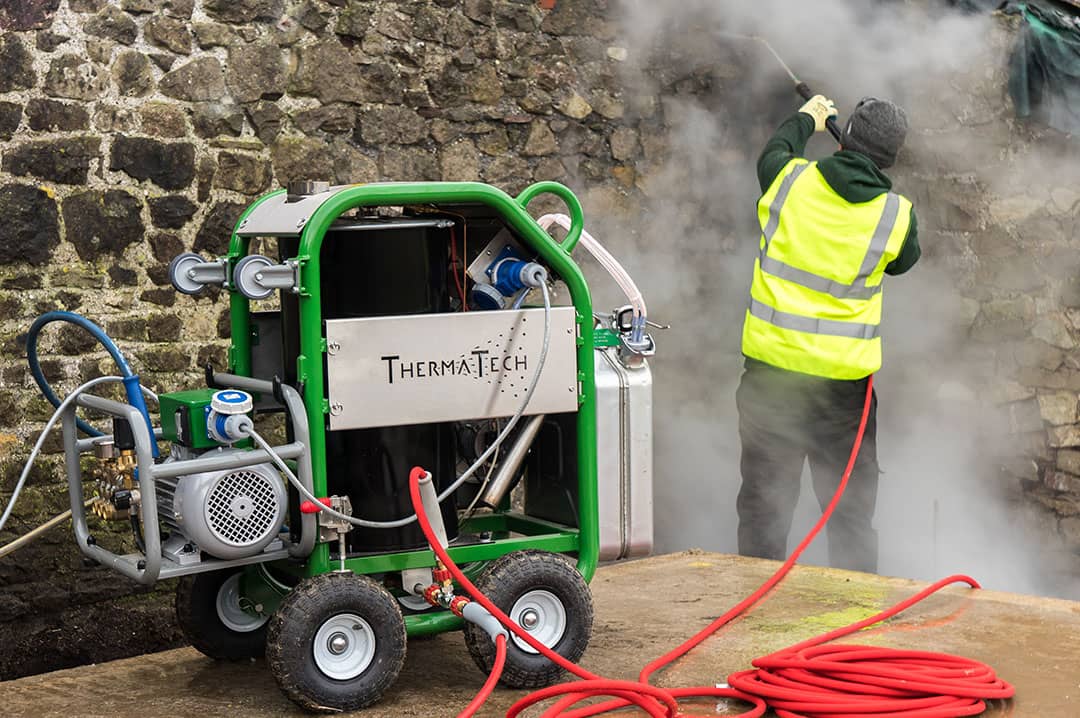
Both our standard ThermaTech and INOX models have been built with the ability to run on a combination of fuels types for the boiler, alongside electrical or diesel power for the pump. Fuels types that can be used for the boiler to heat water used in the system include hydrotreated vegetable oil (HVO), white diesel and kerosene.

HVO may be a preferable option for projects that have sustainability requirements or those conscious of the environmental impact produced by the proposed work.

What fuel type configuration used will depend on the nature and location of your project. We can advise as to the advantages of each.

What is HVO?

HVO is a type of renewable diesel fuel made from vegetable oils or animal fats through a process called hydrotreatment. For use in an approved ThermaTech machine it can be used as a replacement to other liquid fuel types without modification.

Why Use HVO With Thermatech?

eco leaf

Environmental Advantages

  • Lower greenhouse gas (GHG) emissions
  • Renewable source
  • Biodegradable
  • Potential for lower local air-pollutant emissions
cog

Operational Advantages

  • Drop-in replacement within approved ThermaTech system
  • High cetane number
  • Better cold weather performance
  • Longer shelf life
  • Cleaner combustion
clipboard

Commercial and Project Advantages

  • Compatibility to be stored and transported within diesel tanks
  • Flexibility to blend with diesel in any ratio
  • Supports ESG goals

What HVO should I use?

Any HVO fuel used for the approved ThermaTech system should be purchased from a reputable supplier that conforms with the Environment Agency’s specification of HVO to meet EN 15940 guidance.

You can request product specification, feedstock information and sustainability documentation from a supplier to confirm suitability of fuel.
What HVO should I use?


Comparing ThermaTech fuel and power options

OPTION MAIN ADVANTAGE MAIN LIMITATION BEST SUITED FOR
HVO Lower lifecycle emissions Higher cost and variable availability Sustainability-led projects
White diesel Widely available Fossil-fuel emissions General site use
Kerosene Familiar and readily stored Fossil-fuel and site-handling requirements Approved burner applications
Mains electricity No generator needed where supply is available Requires suitable on-site electrical supply Established sites and indoor-supporting configurations
Generator-powered pump Useful where mains power is unavailable Noise, fuel use and exhaust emissions Remote or temporary sites


The Future of Fuel with HVO (Hydrotreated Vegetable Oil)

The storage and transportation of all fuels used with the ThermaTech system should be done so responsibly. Clearly label any containers so they can be easily identified and ensure that they are kept secure when not in use. They should be protected against any potential contaminants that may pollute them and make them unsuitable for use in the ThermaTech machine.

Care should be taken with all fuels and stored away from heat and any other ignition sources. If you are using a new fuel or fuel blend, check that it will be suitable with your specific ThermaTech model before use. This will avoid potential damage to the machine caused by an unsuitable fuel type. The easiest way to check suitability is to request advice from our team.

Always ensure ThermaTech safety guidance is followed when operating or transporting one of our machines. Full safety support and advice is available during our required training sessions.

Get in touch


Frequently Asked Questions

Can a ThermaTech machine run on HVO fuel?

Yes. Approved ThermaTech machines can use HVO as an alternative to conventional diesel or kerosene without requiring modifications to the fuel system. 

What is HVO fuel?

HVO stands for Hydrotreated Vegetable Oil. It is a renewable diesel alternative made from oils and fats, including used cooking oil and waste animal fats. 

Is HVO the same as biodiesel?

No. HVO is produced differently from conventional FAME biodiesel. It generally has a longer storage life, performs better in cold conditions and is less susceptible to microbial growth. 

How much can HVO reduce greenhouse-gas emissions?

HVO can reduce lifecycle greenhouse-gas emissions by up to approximately 90% compared with fossil diesel. The actual reduction depends on the feedstock and how the fuel is produced and transported. 

Can HVO be mixed with conventional diesel?

Yes. HVO can usually be blended with conventional diesel in any proportion or used as HVO100. 

Will HVO affect the performance of my ThermaTech machine?

HVO offers reliable performance and has a high cetane rating, which supports efficient ignition and clean combustion. It can also perform well in cold weather. 

Is HVO more expensive than conventional diesel?

HVO is usually more expensive than fossil diesel or kerosene. Prices vary according to the supplier, quantity, location and current market conditions. 

Which fuel option is best for my ThermaTech project?

The best option depends on the project location, access to electricity, fuel availability, environmental objectives and operating requirements. Restorative Techniques can advise on whether HVO, electricity, white diesel, petrol or kerosene is most suitable.